


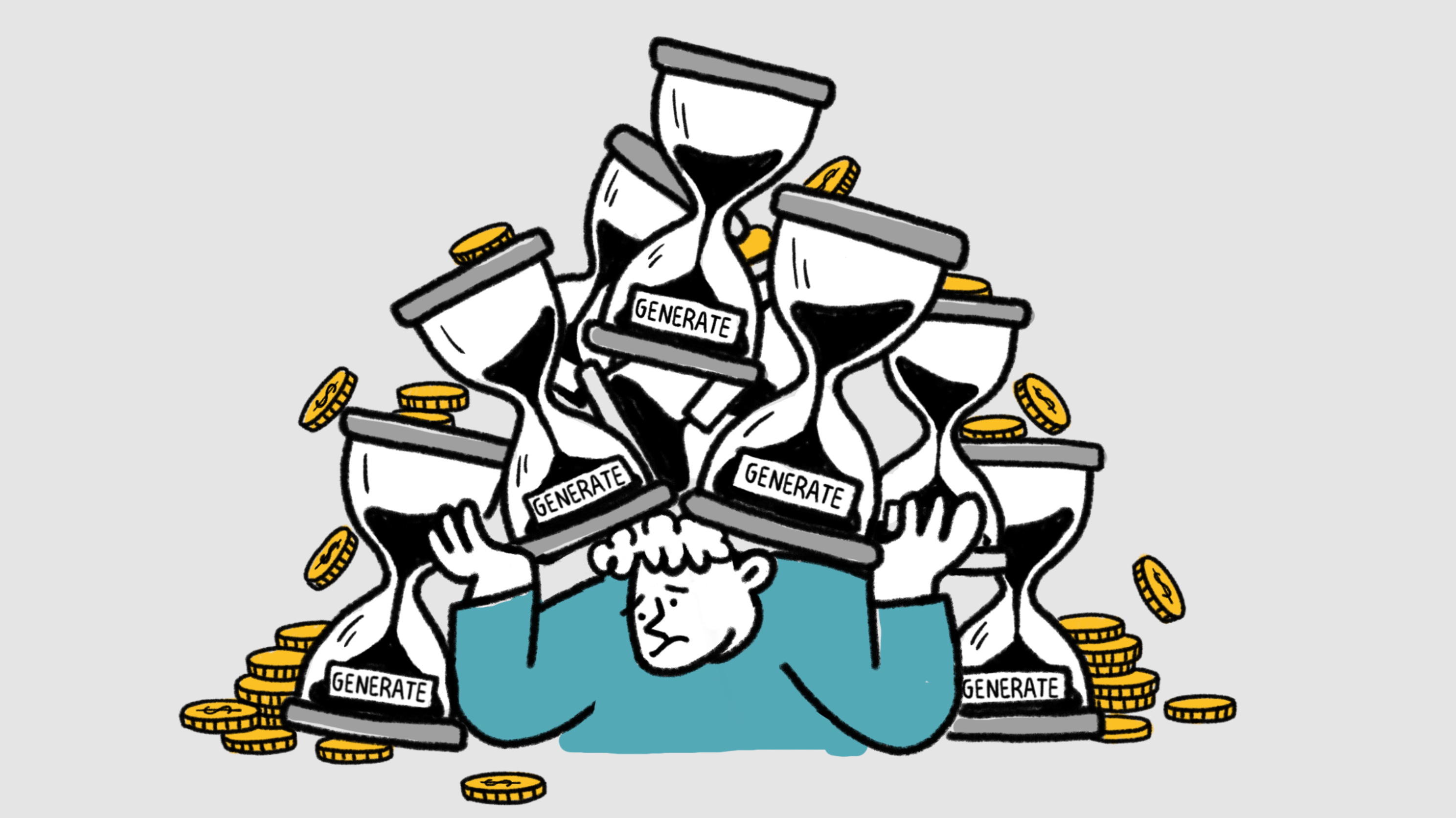
Clicked generate, waited 90 seconds, got something half right, tweaked prompt, waited again. Every attempt to generate something from AI costs something real: tokens, GPU cycles, waiting time. This is the iteration tax.
The tax is heaviest where outputs are expensive: video, image, code. A 10-second video render isn’t like a chat response. Users feel the weight before they click.
The best UX reduces this weight before the expensive commit.
Three patterns to lighten the tax
Each pattern intervenes before the expensive commit.
1️⃣ Sharpen the intent
2️⃣ Cheapen the search
3️⃣ Show the price
1. Sharpen the intent
The cheapest iteration is the one that never happens. Smart UX helps users say what they mean before the meter starts running. Plans and outlines surface structure before render.
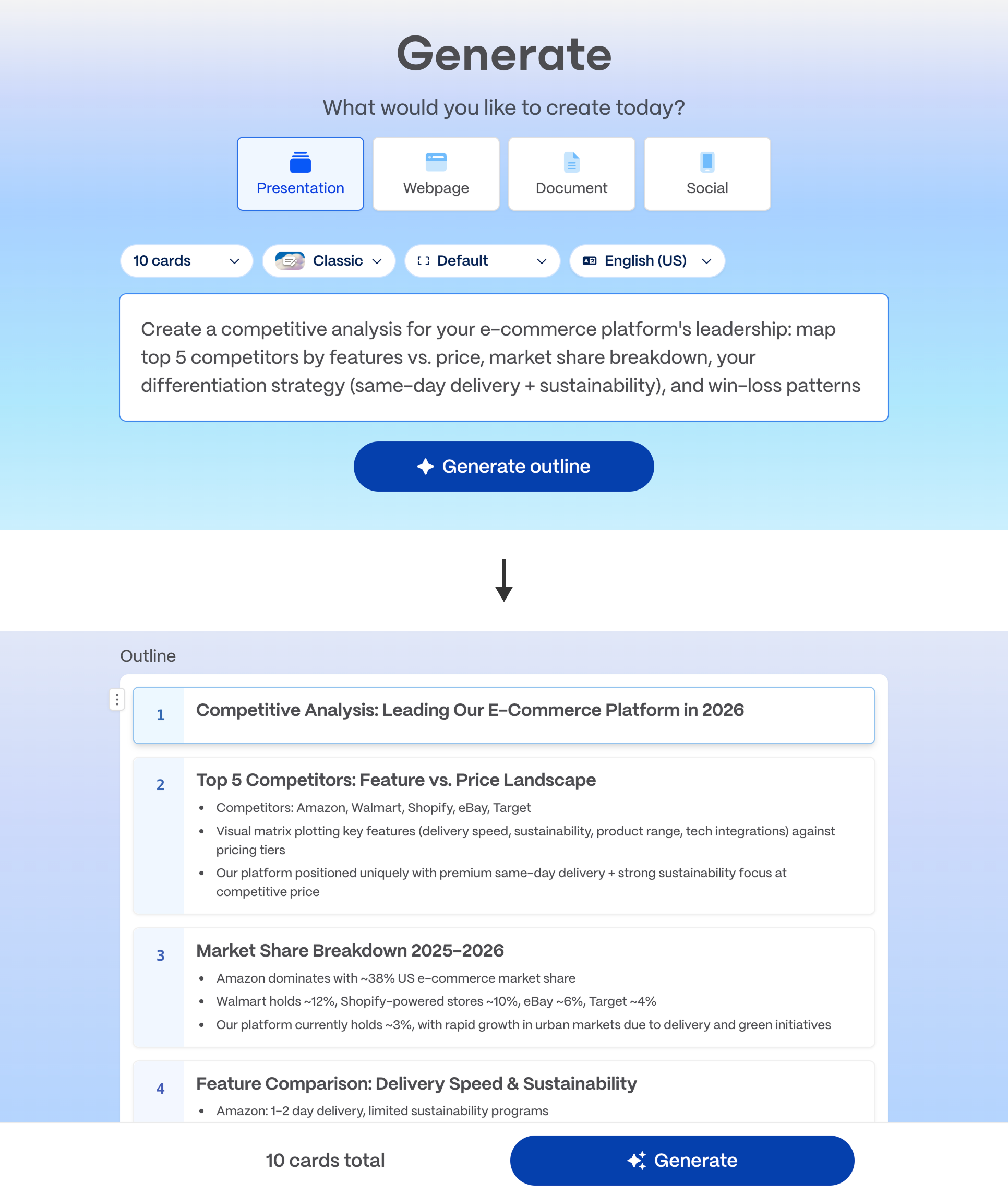
Gamma shows an editable outline before generating any slides. Users decide structure first, then visuals.
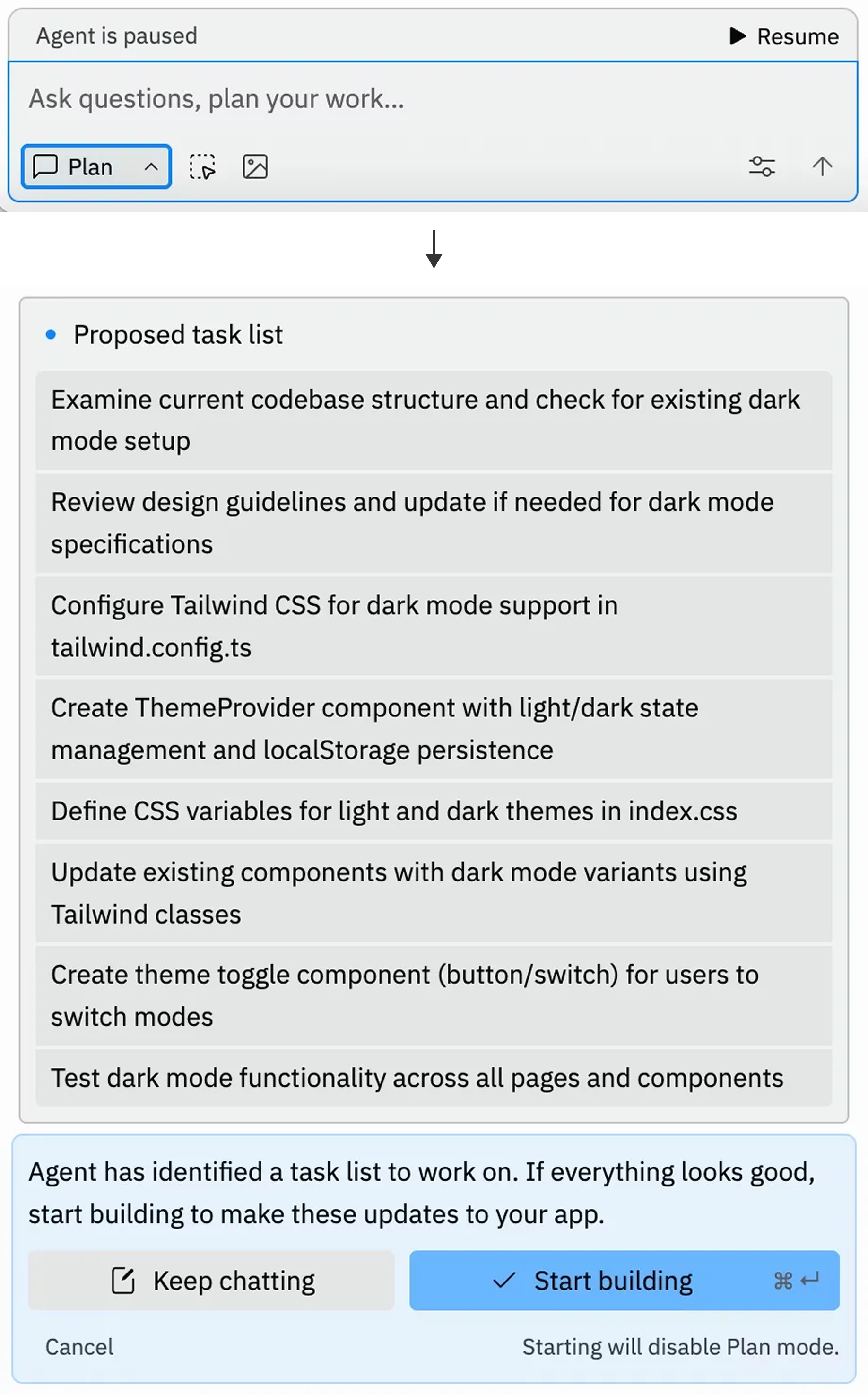
Replit’s Plan mode breaks down complex projects into a task list. Users provide their requirements and it will generate an ordered task list, and nothing runs until you approve.
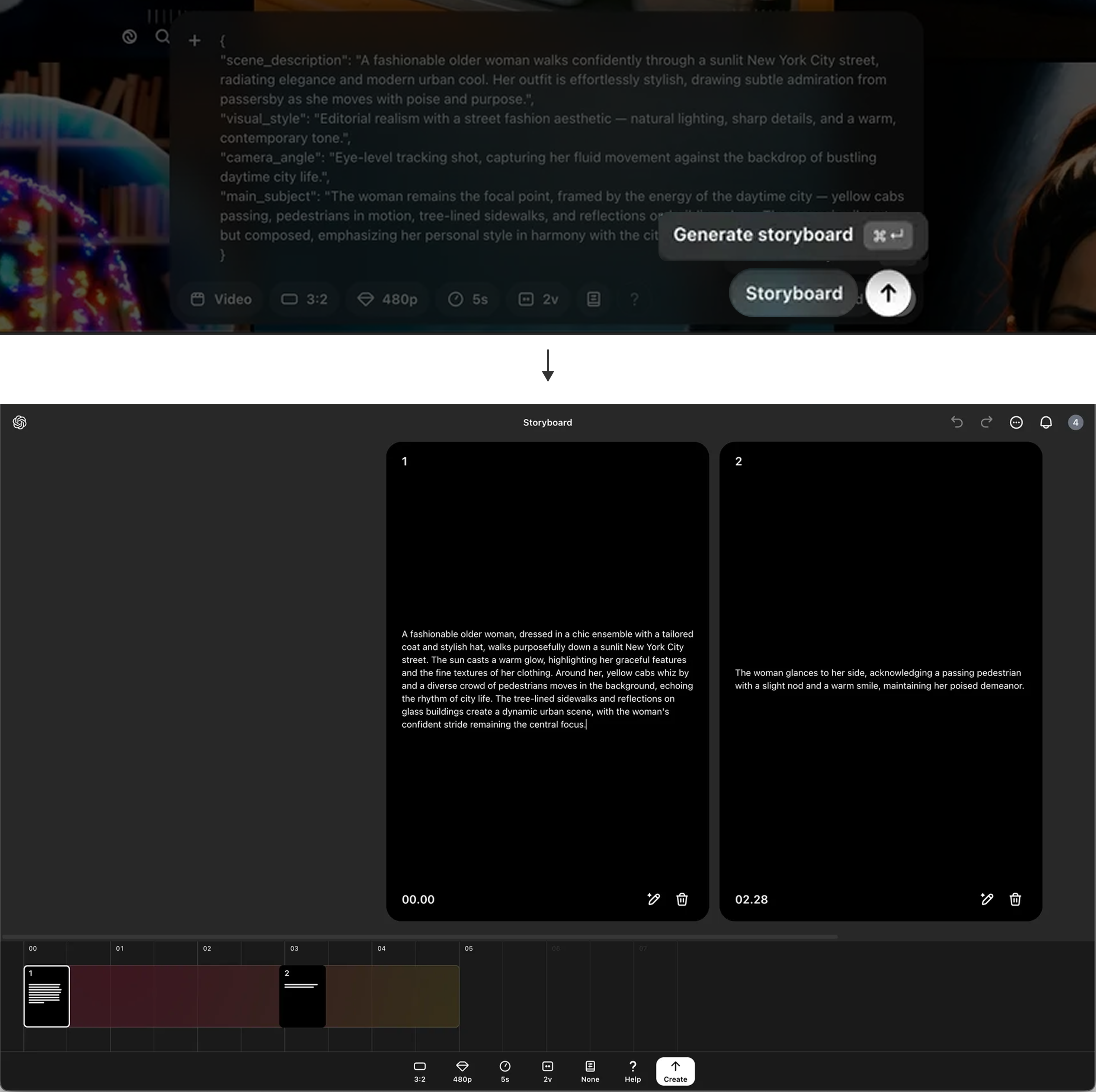
Sora lets users build or generate storyboards frame-by-frame.
👉 The pattern: show the skeleton, get agreement, then render the flesh.
2. Cheapen the search
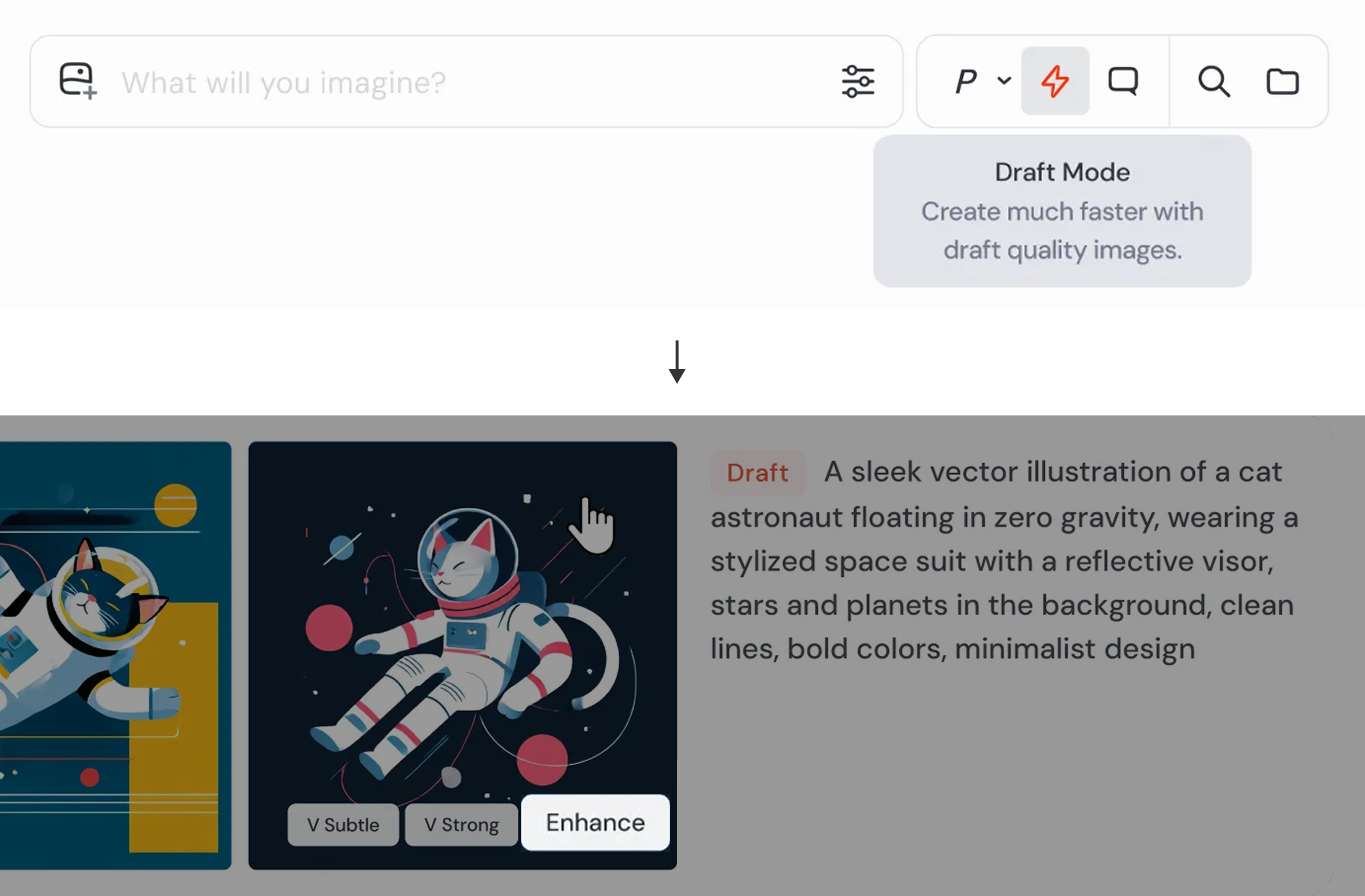
When full generation is expensive, the best tools offer a cheaper way to check direction first. Draft modes exist for iteration.
Midjourney V7’s Draft Mode renders 10x faster at half the cost. It explicitly designed for exploration before commitment.
Luma's Draft Mode is 5x faster and cheaper, creating low-res quick video for "exploring ideas in a state of flow" before mastering to 4K.
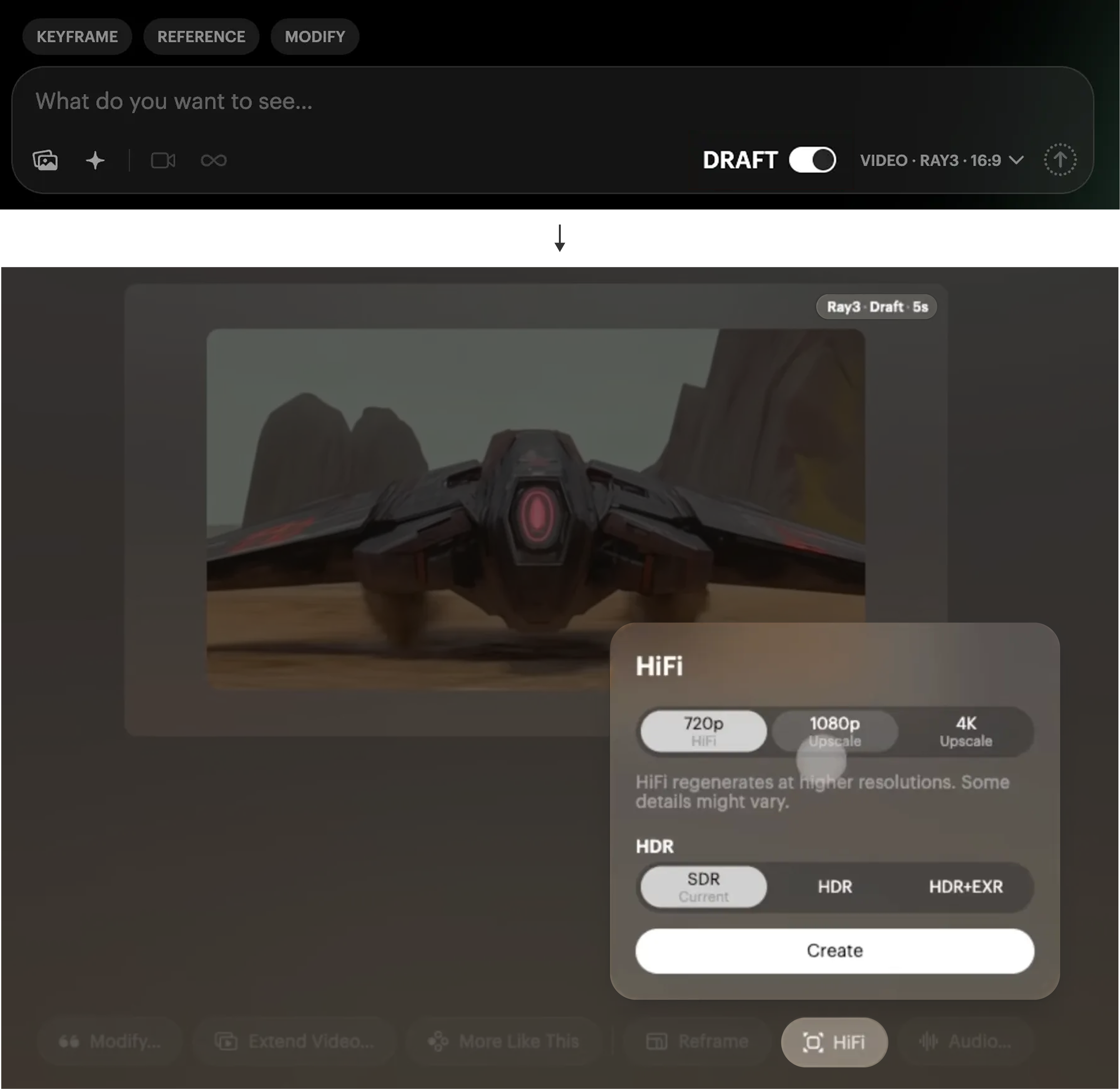
👉 The pattern: Let users browse cheap before they buy expensive.
3. Show the Price
Users can’t spend wisely if they don’t know the cost. Transparency turns “should I?” into an informed decision.
Leonardo AI puts the token count on the generate button itself. Users see exactly what they’ll spend before clicking. The price updates live as they adjust resolution, model, and quality settings. No surprises.

ElevenLabs shows estimated credit cost before you click generate.

👉 The pattern: Make cost visible, learnable, and predictable.
Three Key UX takeaways
✅ Intent-sharpening has the highest leverage, but requires domain insight. Users often know more than they can easily express. Slide structure exists before visuals. Code architecture exists before code. The challenge is identifying what users already know that your product isn’t yet capturing.
✅ Cheap exploration only works when fidelity is a spectrum. Draft modes make sense for images and video—where “rough version” is meaningful. Code either runs or doesn’t. If your output is binary, cheap exploration means smaller scope, not lower quality.
✅ Cost transparency builds trust, but only when cost is predictable. Image and video have knowable costs: dimensions × model × steps = tokens. Code doesn’t. When cost is unpredictable, showing scope helps more than showing price: checkpoints, task breakdowns, progress.
Actionable questions for your AI products
💡What does your user already know that you’re not capturing?
💡Does your domain allow draft modes, or only smaller chunks?
💡When users regenerate immediately, what failed upstream?
💡Can users predict the price before generating?
Great AI UX isn’t about faster generation. It’s about reducing the need to iterate.
It seems that code generation has a different nature from other domains, especially regarding this iteration tex.
Highly insightful.